
Original Rudraksha vs Fake: What Most People Get Wrong
A lot of buyers rely on “water test”, “copper coin test”, or random WhatsApp advice. The truth is: many fakes pass these tricks, and many real Rudraksha fail them. The correct way is to combine visual inspection + natural structure checks + certification from a trusted lab.
1) Understand What “Original” Really Means
An original Rudraksha is a natural seed (usually from Nepal/Indonesia) that forms natural mukhi lines on its surface. Common fake types include:
- Carved mukhi lines on a low-mukhi bead
- Resin/plastic beads with artificial texture
- Two beads joined to look like rare mukhi
- Dyed/chemically treated to look older or darker
2) Visual Checks You Can Do at Home
Look for these natural signs:
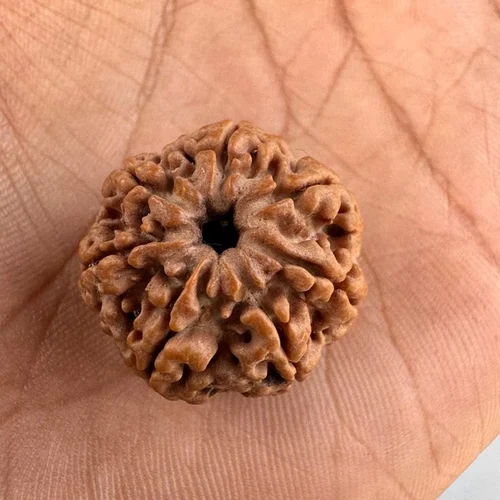
- Mukhi lines should look continuous, not sharp-cut like a knife.
- Surface texture should be organic (pores, natural unevenness), not glossy like polished plastic.
- Shape and symmetry: Nepal beads are often more round and heavy; Indonesian are more oval and lighter (both can be genuine).
3) Check the “Bead Mouth” and Holes
Original beads usually have:
- A natural hole (not perfectly drilled like machine work).
- A “mouth” area that doesn’t look melted or artificially smooth.
4) Myths: Water Test and Coin Test
- Water test: real Rudraksha can float or sink depending on dryness, size, and internal air pockets. Not reliable.
- Copper coin/rotation tests: not scientific.
5) The Only Reliable Method: Certification
A proper lab checks internal structure and authenticity using professional methods (like imaging and expert examination). At MBR, we recommend choosing beads that come with a verification certificate so you don’t buy based on guesswork.
Prakash
This is exactly what i was looking for, thank you so much for these tutorials
Vishal
Really Nice Content.
Lily
What a nice article. It keeps me reading more and more!